5 Essential Rules for Medical Imaging Equipment Success in 2026
Understanding Medical Imaging Equipment Types
Medical imaging equipment plays a vital role in modern healthcare, offering essential insights into a patient’s condition without the need for invasive procedures. The numerous modalities available today provide varying levels of detail and functionality, tailored to meet specific diagnostic needs. When exploring options, medical imaging equipment offers comprehensive insights into this complex landscape, allowing healthcare providers to make informed decisions about their imaging capabilities.
What Are the Different Types of Medical Imaging Equipment?
The landscape of medical imaging equipment encompasses several primary modalities, each designed for specific diagnostic applications. The most common types include:
- X-ray: This is one of the oldest and most commonly used imaging techniques. It uses ionizing radiation to produce images of the inside of the body, primarily for looking at bones and detecting fractures.
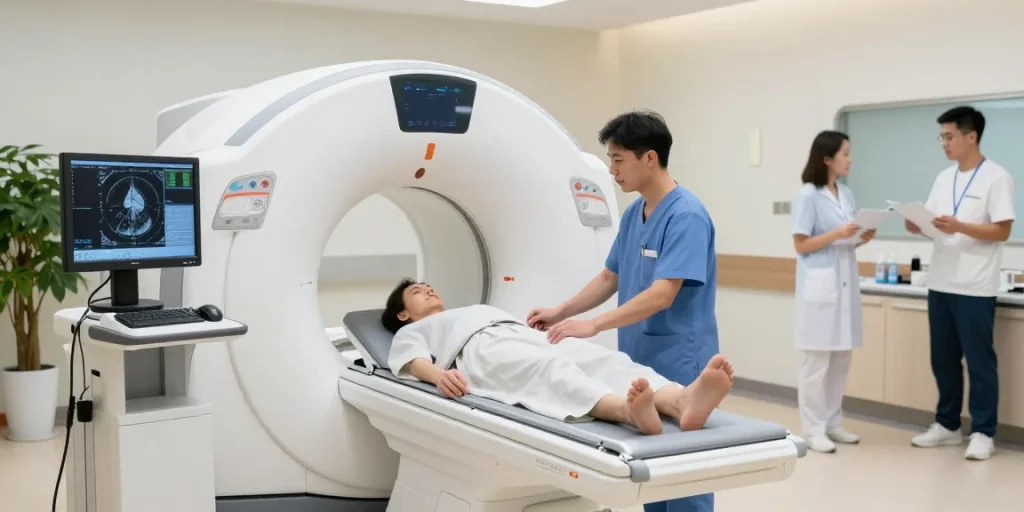
- Computed Tomography (CT): CT scans take multiple X-ray images from different angles and use computer processing to create cross-sectional images of bones, blood vessels, and soft tissues.
- Magnetic Resonance Imaging (MRI): MRI uses strong magnets and radio waves to produce detailed images of organs and tissues. It is particularly useful for imaging the brain, spine, and joints.
- Ultrasound: This technique uses high-frequency sound waves to create images of internal organs. It is commonly used during pregnancy and for examining the heart, blood vessels, and abdominal organs.
- Positron Emission Tomography (PET): PET scans help to observe metabolic processes in the body by injecting a radioactive tracer. This modality is often combined with CT for more detailed images.
Advantages of Each Imaging Modality
Each imaging technique presents unique advantages:
- X-ray: Quick and cost-effective for initial assessments.
- CT: Provides detailed cross-sectional images that can aid in diagnosing internal injuries and diseases.
- MRI: Excellent soft tissue contrast, making it ideal for neurological, musculoskeletal, and cardiovascular imaging.
- Ultrasound: Non-invasive, real-time imaging with no radiation exposure.
- PET: Enables visualization of metabolic and physiological functions, crucial for cancer diagnosis and monitoring.
Choosing the Right Equipment for Your Facility
When selecting medical imaging equipment, facilities must consider factors such as patient population, diagnostic needs, and budget constraints. Additionally, advancing technology necessitates that healthcare providers stay informed about new modalities and their applications to ensure that they are making the best investment for their practice and patients.
The Role of Medical Imaging in Diagnosis
Medical imaging is a cornerstone of modern diagnostics, enabling healthcare providers to obtain critical information that guides treatment decisions. The evolution of imaging technologies has significantly enhanced the accuracy and efficiency of diagnosing various medical conditions.
How Medical Imaging Equipment Enhances Diagnostic Accuracy
Advanced imaging technologies contribute to higher diagnostic accuracy by providing clearer images and allowing for a more comprehensive assessment of a patient’s condition. For instance, MRI can reveal subtle changes in tissue that may indicate disease much earlier than other methods. Similarly, CT and PET scans can dramatically improve staging in cancer diagnoses, allowing for more personalized treatment approaches.
Common Misunderstandings About Imaging Techniques
Despite their usefulness, misconceptions about imaging techniques persist. One common misunderstanding is that all imaging modalities expose patients to harmful radiation. While X-rays and CT scans do involve radiation, MRI and ultrasound do not, making them safer alternatives for specific applications. Furthermore, many patients believe that imaging is always necessary for diagnosis; however, clinicians often rely on clinical evaluation and laboratory tests in conjunction with imaging for comprehensive patient assessment.
Case Studies: Success Stories in Diagnosis
Numerous success stories illustrate the impact of medical imaging on diagnosis. For example, a study published in a leading medical journal highlighted how MRI scans led to the early detection of brain tumors in patients who presented with vague neurological symptoms. This early detection significantly improved treatment outcomes and survival rates.
Best Practices for Medical Imaging Equipment Maintenance
Proper maintenance of medical imaging equipment is essential to ensure optimal performance and longevity. Regular upkeep not only prevents costly breakdowns but also ensures patient safety and diagnostic accuracy.
Routine Maintenance: Ensuring Optimal Performance
Routine maintenance protocols should include regular calibration, cleaning, and inspection of imaging equipment. Facilities should develop a maintenance schedule based on the manufacturer’s recommendations, and staff should be trained on proper handling techniques to avoid damaging sensitive components.
Regulatory Standards and Compliance Considerations
Healthcare facilities must adhere to regulatory standards governing medical imaging equipment. Compliance with guidelines from organizations such as the American College of Radiology (ACR) and the Radiological Society of North America (RSNA) is critical. Regular audits and quality assurance programs should be implemented to maintain accreditation and ensure high-quality imaging services.
Technological Upgrades: Timing and Implementation
Staying current with technological advancements is essential in the rapidly evolving field of medical imaging. Facilities should regularly assess their imaging equipment’s performance and explore opportunities for upgrades, ensuring they harness the latest innovations to improve diagnostic capabilities.
Future Trends in Medical Imaging Technology
The future of medical imaging technology is poised for transformative changes that could redefine diagnostic practices. Emerging trends indicate that healthcare providers will need to adapt to these advancements to maintain high-quality patient care.
Emerging Technologies and Innovations for 2026
By 2026, several innovative technologies are expected to dominate the medical imaging landscape. These include advanced imaging systems utilizing machine learning to enhance interpretation accuracy and hybrid imaging technologies that combine different modalities for comprehensive diagnostics. Innovations in portable imaging devices are also anticipated, allowing for greater accessibility in remote or underserved areas.
The Impact of Artificial Intelligence on Imaging
Artificial intelligence (AI) is set to revolutionize medical imaging by providing algorithms capable of interpreting images with remarkable speed and accuracy. AI can assist radiologists in identifying abnormalities, thereby streamlining workflows and enabling more timely interventions.
Sustainability Trends in Medical Imaging Equipment
As healthcare continues to focus on sustainability, medical imaging equipment manufacturers are expected to introduce more eco-friendly solutions. This may include energy-efficient machines and initiatives aimed at reducing waste associated with imaging processes.
Training and Certification for Radiologic Technologists
As technology advances in medical imaging, so does the need for highly skilled professionals. Comprehensive training and certification programs are essential to ensure that radiologic technologists are proficient in operating modern imaging equipment.
Essential Skills for Operating Medical Imaging Equipment
Radiologic technologists must possess a robust set of skills to operate medical imaging equipment effectively. These skills include a deep understanding of anatomy and physiology, proficiency in imaging techniques, and the ability to interact compassionately with patients. Attention to detail is critical in ensuring that images are captured accurately and safely.
Certifications and Continuing Education Opportunities
Various certifications are available for radiologic technologists, with the American Registry of Radiologic Technologists (ARRT) being one of the most recognized. Continuing education opportunities, including workshops and online courses, are crucial for technologists to stay updated on the latest advancements in medical imaging technology and best practices.
Building a Skilled Team for Your Imaging Center
Healthcare facilities must prioritize building a skilled team of radiologic technologists to ensure high-quality diagnostic services. Comprehensive hiring practices, ongoing training, and fostering a culture of learning and collaboration can help attract and retain top talent in the field.
What are the benefits of advanced medical imaging equipment?
Advanced medical imaging equipment offers numerous benefits, including improved diagnostic accuracy, faster image acquisition, and enhanced patient safety. These innovations enable healthcare providers to deliver better care and improve patient outcomes significantly.
How can we improve patient comfort during imaging?
Improving patient comfort during imaging procedures can be achieved by employing techniques such as providing clear instructions, minimizing wait times, and using patient-friendly equipment designs that reduce anxiety.
What are the safety concerns associated with medical imaging?
While medical imaging is generally safe, concerns about radiation exposure, particularly with X-rays and CT scans, remain. Implementing protocols to minimize unnecessary imaging and utilizing protective measures can help address these concerns.
How do we choose the best imaging equipment for our needs?
Selecting the best imaging equipment requires a careful assessment of the facility’s needs, patient demographic, and budget. Engaging with manufacturers and reviewing clinical studies on equipment efficacy can also facilitate informed decision-making.
What are the latest developments in medical imaging technology?
Recent developments in medical imaging technology include advances in image processing algorithms, the integration of AI for image analysis, and portable imaging systems that allow for point-of-care diagnostics, significantly enhancing clinical workflows and patient care.