Understanding Standing Seam Systems
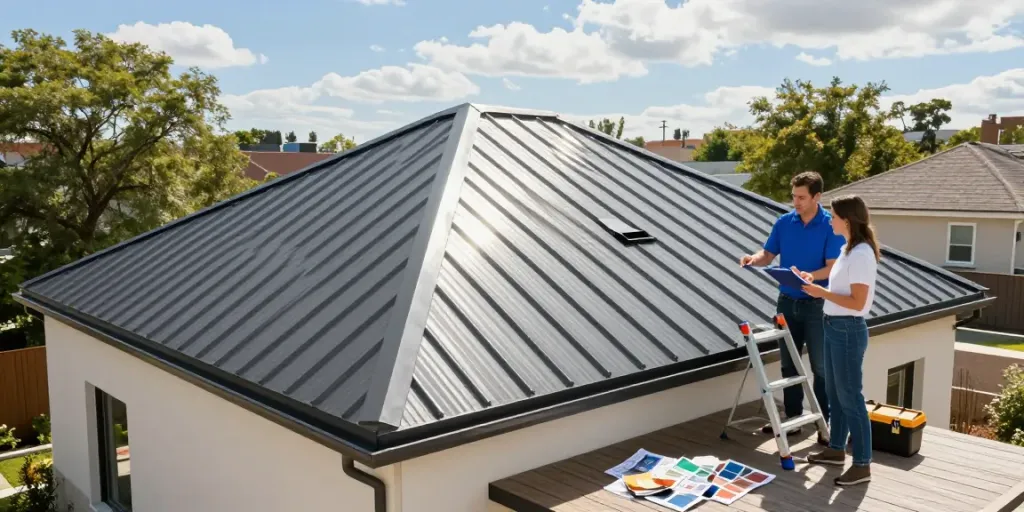
Standing seam metal roofing is an advanced option increasingly popular among homeowners and commercial builders alike. This roofing system consists of vertical panels that interlock at raised seams, creating a visually appealing and durable surface. Not only does it provide an aesthetics boost to modern architectural designs, but it also excels in performance, particularly in terms of water drainage and snow shedding. When exploring options, Standing Seam Systems offer comprehensive insights into the myriad benefits of choosing this roofing style, making it a top choice for discerning clients.
What Are Standing Seam Systems?
Standing seam systems are a type of metal roofing characterized by vertical panels with raised seams. These seams are designed to enhance waterproof capabilities while providing a clean and modern look. The advanced hidden fastening system is a hallmark of this roofing style, allowing for better weather resistance and a sleek appearance. Unlike traditional roofing methods, standing seam roofs do not use exposed fasteners, ensuring that there is a reduced risk of leaks over time, making them highly durable.
Key Features and Benefits of Standing Seam Roofing
- Durability: Made from high-quality materials such as galvanized steel, these roofs can withstand severe weather conditions, including heavy rains, wind, and snow.
- Energy Efficiency: Standing seam roofs reflect solar heat, contributing to lower energy bills by reducing cooling costs in the summer and retaining warmth during winter.
- Low Maintenance: With fewer seams and no exposed fasteners, these roofs require minimal maintenance, leading to cost-effective longevity.
- Design Versatility: Available in various colors and finishes, standing seam systems can complement any architectural style, from contemporary to traditional.
Common Misconceptions About Standing Seam Systems
Despite their growing popularity, there are several misconceptions about standing seam systems. Some believe they are excessively expensive and out of reach for average homeowners. While the initial investment can be higher than traditional roofing, their long lifespan and minimal maintenance requirements often result in lower total costs over time. Another misconception is that they are only suitable for modern designs; in reality, their versatility allows them to fit various architectural aesthetics.
Durability and Longevity of Standing Seam Systems
When it comes to roofing, durability is of utmost importance. Standing seam systems offer exceptional longevity compared to traditional roofing materials, thanks to their robust construction and high-quality materials.
Weather Resistance and Performance Statistics
Performance statistics for standing seam systems highlight their resilience. These roofs can withstand winds exceeding 140 mph and are designed to endure heavy snow loads, making them ideal for regions prone to harsh weather conditions. Their vertical design allows for superior water drainage, reducing the likelihood of ponding and leaks.
Comparative Analysis with Traditional Roofing
Comparing standing seam systems to traditional asphalt shingles reveals significant differences in lifespan, maintenance, and performance. While asphalt roofs may last 15 to 20 years, standing seam roofs can easily last 50 years or more with proper installation and care. Additionally, asphalt roofs are more susceptible to weather damage and require more frequent maintenance, making standing seam a more reliable investment.
Understanding the Lifespan: Maintenance and Care
To maximize the lifespan of standing seam roofing, proper maintenance is essential. Regular inspections and cleaning can prevent debris buildup, which can lead to premature wear. Fortunately, the maintenance requirements are far less intensive than those for traditional roofing options, as standing seam systems do not involve the same level of vulnerability to leaks or wear.
Energy Efficiency of Standing Seam Systems
In an era where energy efficiency is crucial, standing seam roofs shine as a sustainable choice. Their design contributes to reduced energy consumption, making them an environmentally friendly option.
How They Reflect Solar Heat and Lower Energy Bills
Standing seam roofs excel in reflecting solar radiant heat, which is particularly beneficial during the hot summer months. By reflecting a significant portion of solar energy, these roofs help maintain lower indoor temperatures, reducing the demand for air conditioning and ultimately lowering energy bills.
Cost-Effectiveness Over Time: An Energy Perspective
Investing in standing seam systems can lead to substantial long-term savings. Homeowners may find that their cooling and heating costs decrease significantly, which offsets the higher initial investment. This cost-effectiveness, combined with the roof's longevity, makes standing seam systems an economically savvy choice.
Best Practices for Achieving Optimal Efficiency
To ensure the most energy-efficient performance from standing seam roofs, consider incorporating insulation systems that complement the metal panels. A well-insulated roof, paired with reflective metal roofing, maximizes energy performance throughout the year.
Design Versatility of Standing Seam Roofing
One of the most appealing aspects of standing seam systems is their design versatility, allowing homeowners and builders to create unique and stylish exteriors.
Custom Colors and Finishes: Making Your Roof Unique
Standing seam roofs are available in an array of colors and finishes, providing endless possibilities for customization. Whether a homeowner prefers a traditional look or a modern aesthetic, they can choose finishes that match or complement their existing design.
Architectural Styles Compatible with Standing Seam Systems
This roofing style is compatible with various architectural designs. From contemporary homes with clean lines to traditional structures needing an upgrade, standing seam systems can enhance the visual appeal of any building.
Trends in Design for Residential and Commercial Applications
The current trend in roofing design leans towards sustainability and aesthetic appeal. Standing seam systems not only provide functional benefits but also align with modern design trends emphasizing minimalism and environmental consciousness.
The Future of Standing Seam Systems
As the roofing industry evolves, standing seam systems are poised to play a pivotal role with emerging technologies and innovative applications.
Emerging Technologies in Metal Roofing
Innovations in metal roofing technologies, such as enhanced coatings and new materials, are continuously improving the performance and aesthetics of standing seam systems. These advancements promise to further increase their energy efficiency and lifespan.
Market Trends: Predictions for 2026 and Beyond
By 2026, it is expected that the demand for standing seam roofing will continue to rise, particularly in regions facing extreme weather conditions. The growing focus on sustainable building practices is likely to make standing seam systems even more attractive as consumers prioritize energy-efficient options.
Expert Insights on Roofing Innovations
Industry experts suggest that the future of standing seam systems will likely involve more technologically advanced installation processes, increased customization options, and further developments in energy efficiency. This will cater to the evolving preferences of both residential and commercial property owners seeking innovative roofing solutions.