What Changed About Veteran Transition to Civilian Life in 2026? Essential Steps for Successful Integration
Understanding the Veteran Transition Experience
The journey from military to civilian life is a pivotal transition for veterans, as it often involves significant changes in lifestyle, responsibilities, and identity. The process can be complex, with many veterans facing unique challenges as they navigate this shift. Understanding the intricacies of the Veteran transition to civilian life is essential for both veterans and those who support them. This article provides insights into the challenges, emotional considerations, and available resources that can facilitate a smoother transition experience.
What is the Veteran Transition to Civilian Life?
The transition from military service to civilian life encompasses a variety of changes that affect veterans emotionally, socially, and professionally. This period marks a shift in roles, from serving in the armed forces to integrating into civilian communities. Veterans may face a loss of camaraderie and mission-driven purpose, which can significantly impact their mental health and overall well-being.
Civilian life requires navigating new systems, including job markets, healthcare, and social services, which can be overwhelming for many veterans. Understanding these changes is crucial in addressing the specific needs and challenges faced during this period.
Key Challenges Faced by Veterans During Transition
Numerous obstacles may arise as veterans transition to civilian life. Common challenges include:
- Employment Difficulties: Many veterans struggle to find jobs that match their skills and experiences due to a lack of understanding from employers about how military skills translate to civilian roles.
- Social Isolation: The shift from a close-knit military environment to a civilian community can lead to feelings of loneliness and disconnection.
- Identity Crisis: Veterans may grapple with their identity outside of their military service, leading to uncertainty about their purpose and place in society.
- Mental Health Issues: Transitioning can exacerbate existing mental health conditions or trigger new issues such as anxiety, depression, or PTSD.
The Importance of Community Support During Transition
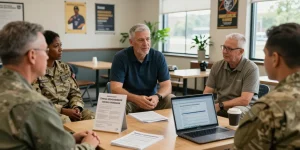
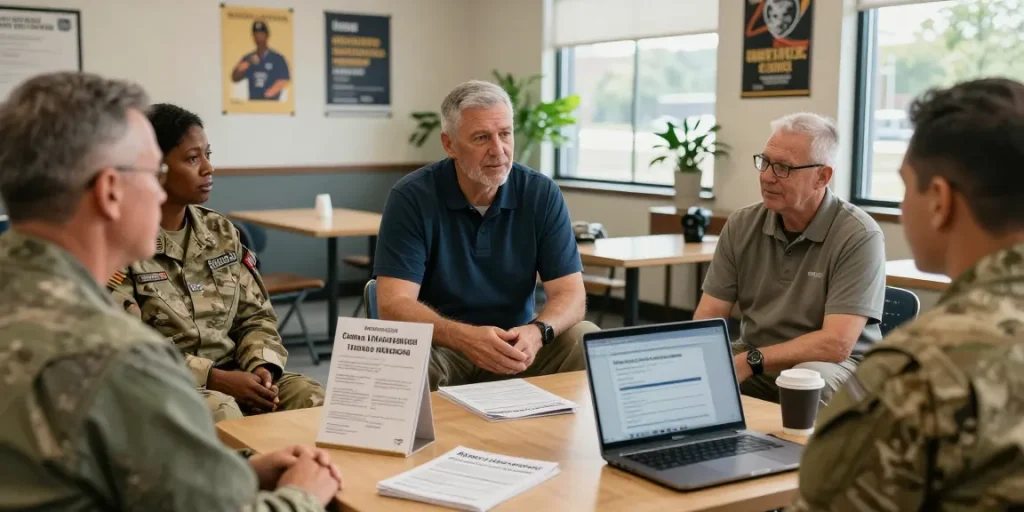
Community support plays a vital role in helping veterans reintegrate into civilian life. Connections with local veteran organizations, support groups, and mentorship programs can offer critical assistance and create networks that foster belonging. Engaging with others who have shared similar experiences can mitigate feelings of isolation and provide valuable insights into navigating common challenges.
Career Readiness and Skills Development
Equipping veterans with the tools and resources they need for successful employment is essential in their transition journey. This section explores key aspects of career readiness, including skill identification, training programs, and networking opportunities.
Identifying Transferable Skills from Military to Civilian Roles
Veterans possess a wealth of skills that can be extremely valuable in the civilian workforce. Skills such as leadership, teamwork, problem-solving, and adaptability are highly sought after by employers. It’s crucial for veterans to recognize these transferable skills and effectively communicate them in job applications and interviews.
Veterans should consider translating their military experience into civilian job descriptions. For example, a veteran with experience in logistics may highlight their capabilities in project management, resource allocation, and strategic planning when applying for civilian roles.
Essential Training Programs for Veterans in 2026
In 2026, various training programs have been developed to aid veterans in skill development and career transition. These programs focus on high-demand sectors such as technology, healthcare, and trade skills.
- Tech Training: Programs that focus on coding, cybersecurity, and IT support are especially beneficial as the tech industry continues to grow.
- Healthcare Certifications: With an increasing need for healthcare professionals, certifications in nursing and allied health fields can provide veterans with promising career paths.
- Vocational Training: Trade skills such as plumbing, electrical work, and carpentry are also excellent options, with many programs offering apprenticeships.
Building a Professional Network for Career Success
Networking is a fundamental aspect of career development that can significantly impact a veteran’s job search. Building relationships with other professionals in their desired field can lead to job opportunities and mentorship. Veterans are encouraged to join local business associations, attend job fairs, and leverage online platforms like LinkedIn to connect with potential employers and peers.
Emotional and Mental Health Considerations
The emotional and mental health of veterans during their transition is a critical aspect that deserves attention. This section examines common mental health challenges and highlights available resources for support.
Common Mental Health Challenges After Service
Many veterans experience mental health challenges post-service. Some of the most prevalent issues include:
- Post-Traumatic Stress Disorder (PTSD): A common condition among veterans, PTSD can result from experiencing or witnessing traumatic events during service.
- Anxiety and Depression: Feelings of anxiety and depression may arise during the transition, especially when facing uncertainty about the future.
- Substance Abuse: Some veterans may turn to alcohol or drugs as a coping mechanism, leading to potential addiction issues.
Accessing Resources for Psychological Support
Veterans have access to numerous resources for mental health support. The U.S. Department of Veterans Affairs (VA) provides various services, including therapy, counseling, and support groups tailored specifically for veterans. Community-based organizations also offer programs focused on mental wellness and peer support.
Creating a Healthy Work-Life Balance in Civilian Life
Establishing a healthy work-life balance is essential for mental health post-service. Veterans are encouraged to prioritize self-care, engage in physical activities, and make time for hobbies outside of work. Open communication with family and friends can also help veterans navigate the emotional challenges of transitioning.
Education and Lifelong Learning Opportunities
Education presents a fundamental avenue for veterans seeking to enhance their career prospects and personal growth. This section delves into the educational resources available, including the GI Bill and additional learning platforms.
Utilizing the GI Bill for Further Education
The GI Bill remains one of the most beneficial resources for veterans seeking education. This program provides financial assistance for tuition and fees, housing, and other educational costs. In 2026, the GI Bill has adapted to cover a broader range of educational paths, including online courses and vocational training.
Choosing the Right Educational Path for Career Goals
Veterans should carefully consider their career goals when selecting educational paths. Options can include traditional degree programs, certifications, or vocational training that align with their desired industry. Researching job markets and trends is vital in making informed decisions about educational investments.
Emerging Learning Platforms for Veterans in 2026
As technology continues to evolve, new learning platforms specifically designed for veterans have emerged. These platforms offer accessible and flexible options for veterans to acquire new skills and knowledge at their own pace. Online courses, webinars, and virtual mentoring programs are prominent examples that can cater to diverse learning needs.
Future Trends in Veterans’ Transition Programs
The landscape of veteran transition programs is continuously evolving. As we look toward the future, innovative approaches and technological advancements are shaping the way veterans receive support.
Innovative Approaches to Supporting Veteran Transitions
In 2026, many organizations are implementing innovative methods to aid veterans in their transition. This includes personalized coaching, workshops that focus on soft skills development, and peer-to-peer support networks.
Technology’s Role in Modernizing Transition Services
Technology plays a crucial role in improving access to resources and services for veterans. Mobile applications, virtual reality training, and online platforms streamline the process of finding jobs, seeking education, and accessing mental health support.
Predictions for the Future of Veteran Support Initiatives
Looking ahead, it is anticipated that there will be an increased focus on holistic support for veterans, addressing not only career needs but also emotional and social well-being. Collaborations between private sectors, government, and non-profit organizations will likely enhance the effectiveness of existing programs and introduce new initiatives designed to support veterans throughout their transition journey.
How can veterans access job training programs?
Accessing job training programs typically involves researching local organizations, including community colleges, non-profits, and veteran service organizations that offer employment support. Many programs are specifically tailored to help veterans gain skills relevant to the job market.
What mental health resources are available for transitioning veterans?
Transitioning veterans can access a variety of mental health resources through the VA, including therapy, counseling services, and peer support groups. Community resources such as local veteran organizations also provide essential mental health support.
What are the key skills veterans should highlight in resumes?
Veterans should focus on highlighting skills such as leadership, teamwork, problem-solving, adaptability, and technical skills relevant to their desired jobs. It’s important to translate military jargon into business language that appeals to civilian employers.
How has the GI Bill changed for veterans in 2026?
In 2026, the GI Bill has expanded to include increased funding for online education, vocational training, and support for non-traditional educational paths, allowing veterans to pursue a broader range of opportunities.
What community resources exist for veterans during their transition?
Community resources for veterans include local veteran service organizations, support groups, mentorship programs, and career development workshops. These resources are designed to provide essential support and guidance during the transition to civilian life.